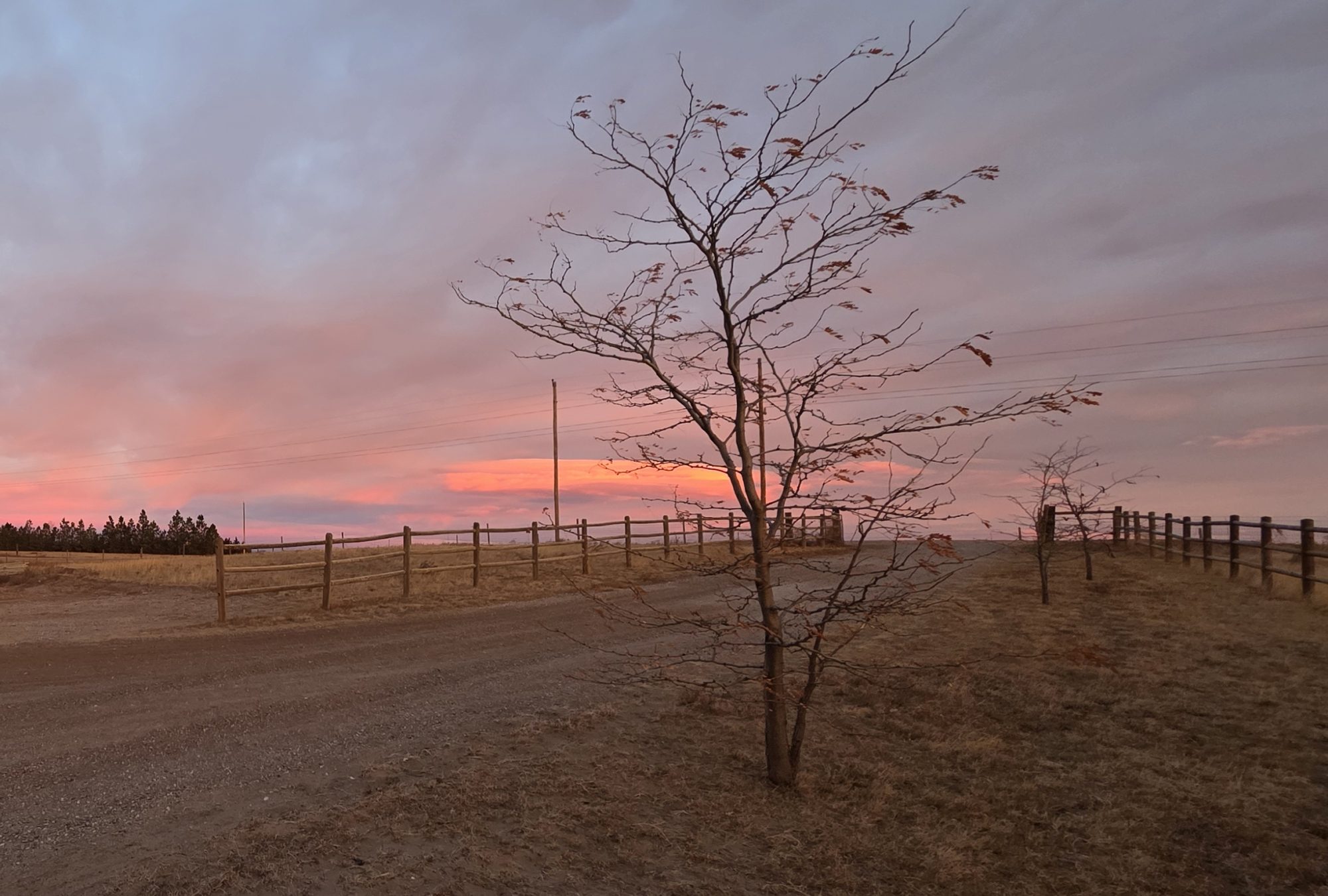
photo of Nehemiah 4-6 from bsf exile and return study www.atozmomm.com

BSF Study Questions Exile & Return: A Time to Build Lesson 24, Day 3: Nehemiah 4:7-23

Summary of Nehemiah 4:7-23

The Israelites’ enemies planned to come together and attack the people. But, they prayed and decided to fight back. They continued to build the wall and had guards keep them safe. They stayed vigilant, determined to build the wall and keep their enemies at bay.

BSF Study Questions Exile & Return: A Time to Build Lesson 24, Day 3: Nehemiah 4:7-23

6a)

The enemies’ reaction to the progress of building the wall: Israel’s enemies were angry. They plotted against the Israelites and planned to stir up trouble. They planned to murder them.

The Jewish people’s response to the threat: The Jewish people prayed to God and posted guards day and night to meet this threat.

Nehemiah’s solution: He posted guards and stationed people behind the lowest points of the wall at the exposed places, posting them by families, with their swords, spears, and bows. He told them to remember God and fight for their families.

The people’s response to Nehemiah: They did as he said and then returned to building the wall.

b) This is everywhere. People who don’t like what others are doing threaten violence, and many carry it out. We should pray to fight back with God’s strength.

7) Half of the men worked and half guarded. Nehemiah said that God would fight for them. The people came up with a solution to ward off their enemies and allow God to fight the battle.

8a) Nehemiah prays and comes up with practical solutions that the Israelites can implement. Nehemiah modeled servant leadership by sharing the danger rather than commanding from safety. He stood on the wall, organized protection for the vulnerable, and endured the same grueling vigilance—refusing to even change his clothes (v. 23). His presence reassured the people that he would never ask them to make a sacrifice he wouldn’t.

b) Same. Pray while working towards solutions in my life.

Conclusions BSF Study Questions Exile & Return: A Time to Build Lesson 24, Day 3: Nehemiah 4:7-23

Nothing can stop God’s plan for your life and the world. Great lesson on prayer and on action working together to accomplish God’s purposes for us.

End Notes BSF Study Questions Exile & Return: A Time to Build Lesson 24, Day 3: Nehemiah 4:7-23

Confusion and threats are common strategies of Satan to get us to give up on God’s work.

The people drew closer to God during this time, which is what God wants for us!

We are always to pray and act. Our prayers make our actions effective for God’s work.

You can’t quit at the halfway point.

We are attacked the most when we are at our lowest.

You never know who is listening to you.

It’s important to remember who is your power (God) and what you are fighting for (your family).

Victory is enduring the attack and then continuing God’s work. Here, the enemy knew they would lose when seeing God’s people prepare for battle.

We hold a sword against the enemy and a trowel to do the work He has planned for us.

The people were always prepared and working hard for God.

END NOTES SUMMARIZED

The Escalation to Violence (Verses 7–12)

The Plot: When mockery fails, the enemies (Sanballat, Tobiah, Arabs, Ammonites, and Ashdodites) form a coalition to surround Jerusalem from all sides. They plan a surprise attack to kill the workers and stop the project. The Internal Morale: The pressure works. The people of Judah begin to crumble, singing a song of defeat: “The strength of the burden-bearers is failing… we are not able to build the wall.” Fear spreads as Jews living near the enemies report the attack plans “ten times.”

The Strategic Pivot (Verses 13–23)

The Response: Nehemiah stops the work temporarily to secure the people.

  1. Armed Families: He positions people by families with swords, spears, and bows at the exposed parts of the wall. This ensures men are fighting for their own wives and children (v. 13-14).

  2. The Rallying Cry: He gives a famous speech: “Do not be afraid of them. Remember the Lord, who is great and awesome, and fight for your brothers, your sons, your daughters, your wives, and your homes.”

The New Normal: Once the immediate threat subsides, they adopt a “sword and trowel” policy:

  • Half work, half watch: 50% build while 50% hold shields and bows.

  • Ready Weapons: Even the builders work with one hand and hold a weapon in the other (or strap a sword to their side).

  • Communication: A trumpeter stays by Nehemiah’s side to sound the alarm, so they can rally together.

Conclusion

Nehemiah 4:7–23 teaches that spiritual work often requires vigilance as much as diligence.

Nehemiah refused to choose between faith and prudence. He told them to “Remember the Lord” (faith) but also to “fight” (action). This passage illustrates that true reliance on God does not mean passivity in the face of danger; it means trusting God enough to stand your ground.

Best Young Adult Books!

https://amzn.to/49gjmcV

https://amzn.to/49dd4dV

https://amzn.to/49iS71t

*As an Amazon associate, I earn from qualifying purchases

Contact me today!

photo of white horse www.atozmomm.com bsf revelation

BSF Study Questions Revelation: The Hope Lesson 24, Day 3: Revelation 19:6-10

Summary of Revelation 19:6-10

The celebration in heaven continues after the fall of Babylon with the great multitude shouting and praising the Lord. The wedding of the Lamb has come. The angel says blessed are those who are invited to the wedding supper.

BSF Study Questions Revelation: The Hope Lesson 24, Day 3: Revelation 19:6-10

6a) Jesus’ salvation of those who believe in him and their final dwelling place in heaven.

b)

John 14:15-21: Jesus asked God to send us the Holy Spirit to guide us. Jesus died so that we may live.

John 15:9-17: Jesus loves us as much as God loves him. We are Jesus’ friends and he has given us knowledge of him to guide us. Jesus chose us to bear fruit. He gives us what we ask for. He offers us love and compassion.

2 Corinthians 11:2: “I am jealous for you with a godly jealousy. I promised you to one husband, to Christ, so that I might present you as a pure virgin to him.” Godly jealousy is intense, showing us God’s continued love for us. We will be pure when we are married to Christ forever.

Ephesians 5:25-33: God gives us spouses to love one another as Christ loves us.

7) Believers

8a) Angels are below Jesus and God. We are not to worship anyone but the Lord and Jesus.

b) Nothing should be above God, so I try to ensure that nothing is.

Conclusions BSF Study Questions Revelation: The Hope Lesson 24, Day 3: Revelation 19:6-10

I’ve always loved the picture of believers/the church as Christ’s bride. It’s such a relatable image, and it’s wonderful that one day the final wedding will take place and we’ll be with Jesus forever!

End Notes BSF Study Questions Revelation: The Hope Lesson 24, Day 3: Revelation 19:6-10

We see the concept of the church as Christ’s bride often in Scripture (2 Corinthians 11:2Ephesians 5:25-32)

We see Israel/God’s people as God’s wife in the Old Testament (Hosea 2:19-20Isaiah 54:5Ezekiel 16)

Being clean is being pure, loyal, and faithful.

We are to be presented to Jesus as pure.

Nothing created (including angels) should ever be worshipped. Angels worship Jesus (Hebrews 1:6)

Prophecy reveals Jesus.

Fun Fact: The bride is the 4th and last woman mentioned in the book of Revelation in the Bible.

Here, we see the 4th beatitude or blessing in Revelation: “Blessed are those who are invited to the wedding supper.”

Beatitudes of Revelation:

  1. Revelation 1:3
  2. Revelation 14:13
  3. Revelation 16:15
  4. Revelation 19:9
  5. Revelation 20:6
  6. Revelation 22:7
  7. Revelation 22:14

The bride is the church, and the wedding guests are believers.

Spring is in the Air!

https://amzn.to/42znLpt

https://amzn.to/40CneR3

https://amzn.to/3CGDCrJ

https://amzn.to/40BtA3j

https://amzn.to/4hv0t8C

https://amzn.to/4gi5QXK

*As an Amazon associate, I earn from qualifying purchases

Contact me today!

picture of northern lights www.atozmomm.com bsf john

BSF Study Questions John’s Gospel: The Truth Lesson 24, Day 3: John 18:33-38

Summary John 18:33-38

Pilate questioned Jesus and asked him if he were king of the Jews. Jesus says his kingdom is not of this world. Jesus says he testifies to truth. Pilate, exasperated, tells the Jewish leaders there is no basis for charges here.

BSF Study Questions John’s Gospel: The Truth Lesson 24, Day 3: John 18:33-38

7a) Pilate asked Jesus, “Are you the king of the Jews?” Jesus says, “Is that your own idea, or did others talk to you about me?”

b) He was trying to see if Pilate thought he was guilty, or if he was just being a pawn. Did Pilate really want to know the answer?

8 ) Pilate asked Jesus what he has done. He missed the opportunity to ask Jesus who he was.

9a) “My kingdom is not of this world. If it were, my servants would fight to prevent my arrest by the Jewish leaders. But now my kingdom is from another place.”

b) He immediately focused on Jesus as being a king, but an earthly king.

c) Same. They are looking for tangible Jesus, when Jesus is of the heart. They miss his meaning completely.

Conclusions BSF Study Questions John’s Gospel: The Truth Lesson 24, Day 3: John 18:33-38

I love how Jesus constantly reaches out to his enemies, hoping to turn them to him. If Jesus does this for unbelievers, imagine how he helps us/believers each and every day. God is so good!

End Notes BSF Study Questions John’s Gospel: The Truth Lesson 24, Day 3: John 18:33-38

John leaves how how Jesus was taken to Herod and this is a second appearance before Pilate.

Pilate expected someone else who was not Jesus. He was not a criminal like he was used to dealing with. He was our Lord.

When Jesus said his kingdom is not from here, Pilate could have concluded Jesus was not a threat. But, he did not.

Jesus claimed to be a King of Truth, to which Pilate sneered, believing there was not spiritual truth. That being said, Pilate knew Jesus was innocent.

Contact me today!

Best Good Reads

https://amzn.to/3HQQT05

https://amzn.to/3waGWrN

https://amzn.to/3uiuJkg

https://amzn.to/49vZ7pU

https://amzn.to/42zwmXb

*As an Amazon associate, I earn from qualifying purchases

michaelangelo's creation of the sun, moon, and vegetation Sistine Chapel Ceiling www.atozmomm.com

BSF Study Questions People of the Promise: Kingdom Divided Lesson 24, Day 3: Nahum 2-3

SUMMARY OF NAHUM 2-3

Nahum 2

Nahum tells Nineveh they will be attacked. The Lord will restore Jacob and Israel. Nineveh will be exiled and carried away. It will be pillaged, plundered, and stripped. The Lord is against them.

Nahum 3

Woe to Nineveh. The Lord is against them. Many will die and be taken captive. Nothing will be able to save them.

BSF Study Questions People of the Promise: Kingdom Divided Lesson 24, Day 3: Nahum 2-3

6)

The enemy’s appearance: The shields of the soldiers are red; the warriors are clad in scarlet. They had flashing metal chariots. They look like flaming torches; they dart about like lightning.

The siege and looting of the city: Plunder the silver! Plunder the gold! The supply is endless, the wealth from all its treasures! She is pillaged, plundered, stripped!

The flooding of the city and its results: The river gates are thrown open and the palace collapses.

The fall of Nineveh’s fortresses: All your fortresses are like fig trees with their first ripe fruit; when they are shaken, the figs fall into the mouth of the eater.

The sins for which Nineveh is judged: all because of the wanton lust of a prostitute, alluring, the mistress of sorceries, who enslaved nations by her prostitution and peoples by her witchcraft.

7a) Psalm 119:89: Your word, Lord, is eternal; it stands firm in the heavens.

Matthew 5:18: For truly I tell you, until heaven and earth disappear, not the smallest letter, not the least stroke of a pen, will by any means disappear from the Law until everything is accomplished.

What God says, God does. Nineveh was destroyed and God’s people were saved according to God’s plan.

b) That I can trust in what God says and does. I know He is in control of all world events. He has it.

8 ) Nahum 1:7: The Lord is good,  a refuge in times of trouble. He cares for those who trust in him. I know I can turn to Him if I just trust in God, His ways, and His plan for my life.

Conclusions BSF Study Questions People of the Promise: Kingdom Divided Lesson 24, Day 3: Nahum 2-3

Great study of Nahum! Loved reading this often-forgotten and overlooked book.

map of assyria and nineveh www.atozmomm.com

End Notes BSF Study Questions People of the Promise: Kingdom Divided Lesson 24, Day 3: Nahum 2-3

Nahum 2:

Nineveh is destroyed in a great battle, brought low by Babylon. They will be brought low and plundered. No one wants to hear that the Lord is against them. But Nineveh did.

God will avenge evil and deliver His people. He defends His people against those who come against Him.

Nahum 3:

Nineveh was a violent and immoral city. It will be humbled and judged. It would be flooded, burned, and plundered.

God can handle our judgments for us; we don’t need to seek vengeance.

Contact me today!

Best Coffee Gifts for Bible Study

*As an Amazon associate, I earn from qualifying purchases

jesus and the mount of olives www.atozmomm.com olivet discourse

BSF Study Questions Matthew Lesson 24, Day 3: Matthew 24:15-26

SUMMARY OF MATTHEW 24:15-26

Jesus continues describing the End Times to his disciples on the Mount of Olives. He describes what will happen and says that those in Judea should flee. Don’t take anything with you. If their flight takes place in winter or on the Sabbath, there will be great distress. However, those days will be cut short for the sake of the elect. False Christs and false prophets will appear and perform great signs and miracles to deceive you.

BSF Study Questions Matthew Lesson 24, Day 3: Matthew 24:15-26

6a) The destruction of the Jewish temple

b) Flee

c) Jesus will confirm a covenant with many. Forces will desecrate the temple and abolish daily sacrifices. There will be 1,290 days from the time the daily sacrifice is abolished and the abomination that causes desolation is set up.

7a) “Unequaled from the beginning of the world till now — and never to be equaled again.” “No one would survive” “How dreadful it will be for pregnant women and nursing mothers.” “Pray that your flight will not take place in winter or on the Sabbath.”

b) You should take the warnings very seriously. They should respond with prayer.

Conclusions BSF Study Questions Matthew Lesson 24, Day 3: Matthew 24:15-26

I’m wondering how the disciples felt hearing from this. I would have been afraid.

An interesting read on the Olivet Discourse.

End Notes BSF Study Questions Matthew Lesson 24, Day 3: Matthew 24:15-26

The abomination of desolation is when the Jewish temple will be destroyed and an idolatrous image will be set up in the holy place. This act brings desolation.

Daniel describes the complete desecration of the temple, and Paul discusses this event more in 2 Thessalonians 2:3-4

There will be 3.5 years after the sign is set up before the consummation of all things.

When the abomination appears, you (the Jewish people) must flee immediately.

Bible scholars believe that the destruction of the Jewish temple in 70 AD and the subsequent fleeing of God’s people was a foreshadowing of the coming End Times.

God will remove His church before the Great Tribulation (1 Thessalonians 4:16-17).

The Great Tribulation will be terrible, indeed.

All will know that Christ has arrived by his sign. Many will look for false prophets to save them.

Contact me today!

*As an Amazon associate, I earn from qualifying purchases.

joseph sent to prison www.atozmomm.com

BSF Study Questions Genesis: Lesson 24, Day 3: Genesis 39:19-23

Summary Genesis 39: 19-23:

Joseph was sent to the prison where the king’s prisoners were held after Potiphar’s wife claimed he tried to seduce her. God does not abandon Joseph here either. God granted Joseph favor with the prison warden. Joseph was put in charge of all those held in prison and all the happenings there, allowing the warden the ability to not do anything either, like Potiphar.

BSF Study Questions Genesis: Lesson 24, Day 3: Genesis 39:19-23

7) God granted Joseph favor with the prison warden. Joseph was put in charge of all those held in prison and all the happenings there, allowing the warden the ability to not do anything either, like Potiphar.

8 ) God was with Joseph, and God gave Joseph success in everything he did and on those around Joseph. God uses us to bless others and uses our situation to do so, no matter how dreadful it is.

9a) See Genesis 50:20: “God intended it for good to accomplish what is now being done, the saving of many lives.”

Psalm 119:50: My comfort in my suffering is that your promise preserves my life.

John 16:33: Jesus has overcome the world. You can have peace in this world.

Romans 8:28-29: God works in all things for the good of those who love Him, who have been called according to His purpose.

2 Corinthians 4:17: “Our momentary troubles are achieving for us an eternal glory that far outweighs them all.”

1 Peter 6-7: Your suffering, grief, and trials are so that your faith may be proved genuine, and may result in praise, glory, and honor when Jesus is revealed.

and Revelation 21:4: The old order will pass away and so will grief, death, mourning, crying, or pain.

b) Our suffering grows our faith. We suffer because Jesus suffered. Suffering is only on this side of heaven. This is encouraging.

10) Wisdom, patience, waiting on God, depending on God, plus he had years of practice managing households and the jail so he was prepared to manage the country.

Conclusions BSF Study Questions Genesis: Lesson 24, Day 3: Genesis 39:19-23

I love how God never leaves Joseph. However, I am also wondering because Joseph saw how he was blessed at Potiphar’s if he knew God would bless him wherever he went? Or, he expected it? Or, if you have that mindset that God will do great things always, life and trials would be infinitely easier.

End Notes BSF Study Questions Genesis: Lesson 24, Day 3: Genesis 39:19-23

Spurgeon noted that Joseph’s silence was eloquent, saying nothing when your reputation and character are at stake. This is a prime example of letting your actions speak for themselves.

Bible scholars believe Potiphar was angry at his wife because he probably knew this was a false accusation, but Potiphar was forced to punish Joseph because he was a slave and for his wife’s reputation. Now, Potiphar will have a lot more work to do himself without Joseph running his affairs.

We know this was God’s plan as always so Joseph could get in front of Pharaoh. Yet, it was an odd plan. Joseph could have gotten to be 2nd in command of Egypt without going to prison just from his reputation at Potiphar’s house. God’s plans and ways are not ours. Perhaps Joseph needed one more lesson along the way of rising and falling and being faithful throughout.

The Lord was with Joseph and blessed him all throughout his life  (Genesis 39:2; 3; 5; 21:23)

BSF Study Questions Genesis Lesson 24, Day 3: Genesis 32:3-23

Summary of passage:   Jacob sends messengers ahead to tell Esau that he is coming.  He calls himself Esau’s servant and asks to find favor in his eyes.

The messengers return, telling Jacob that Esau is coming to meet along with 400 men. Jacob is afraid and assumes Esau will attack him so he divides his band into 2 groups in hopes if one is attacked the other group will survive.

Then Jacob prays to God, praising him and beseeching him to save him and his family from the wrath of Esau, quoting God’s promises to him.

Jacob decides to give Esau gifts of hundreds of goats, camels, and donkeys from his flocks. He told the servants to care for these animals, to go ahead of him, and to keep the animals separate.  He tells the lead servant to tell Esau that these animals are his and are a gift to him and to say that Jacob is coming behind.

Jacob’s goal was to pacify Esau with the gifts so when he finally meets up with him Esau will not harm him and receive him instead.

Jacob and his family crosses the Jabbok along with his possessions.

Questions:

5a)  Verse 3 Jacob calls himself “your servant”.  Jacob calls Esau “my lord” in verse 5.  Verse 7 “in great fear and distress” Jacob divides his group.

b)  In every way.  He had to leave so Esau wouldn’t kill him for Jacob’s treachery at stealing the blessing (in Esau’s eyes.  We all know the blessing was Jacob’s) in the way he did.

6)  Before, he was merely panicked and completely being subservient, humbling himself before Esau. He was fearful and full of unbelief.  He split his camps up, afraid Esau would attack and destroy at least one of them.  Then Jacob prays and the prayer is amazing!

Then he had a plan.  He offered animals to Esau as a peace offering.  But he is coming behind the procession.  Despite the fact Jacob offers up a prayer to God, he goes right back to relying on himself, not trusting God to protect him.  If he did, he would have been at the head of the procession and his gift might not have been so extravagant as he attempts to placate Esau.  He goes right back to relying on his own self and never surrendering himself to God.

7)  Yes.  He gave 580 (assuming every camel “with their young” had a baby) animals. That’s an incredible amount.  It’s hard to picture because most farms these days don’t have that many animals.  It takes an incredible amount of land to feed that many animals. And that’s just what Jacob gave!  Can you imagine how many he had?

Plus, note a lot were female.  These are more valuable in farmer’s eyes because they can produce young.  You only need a few males to have babies.

8a)  1)  He addresses God by his titles and names (verse 9)

2)  He quotes God’s orders and promises to Him (verse 9)

3)  Jacob says he is unworthy of God’s kindness and faithfulness.  He humbles himself before the Lord (verse 10)

4)  He lists the facts for God, saying what he had before and what he had now (verse 10)

5)  Then Jacob states the reason for his prayer and what he wants God to do, which is save him (verse 11)

6)  He lists the reasons why he is asking–because he is afraid of Esau and for the people with him (verse 11)

7)  Jacob ends by repeating God’s promise to him (verse 12)

Jacob used God’s word for thanksgiving and in faith.

Note:  Jacob is not only praying for himself (although that’s the primary reason) but he also states he is fearful for the women and children in his group.  Great example of praying for others as well as yourself.

b)  Although God knows our hearts and even what we will say (even if we can’t formulate the words), God likes to hear that we understand Him, that we know Him, that we acknowledge what He has done in our lives, that we know His promises and His character, and that we desire for Him to do His work in our lives.  That what we are asking for aligns with His will and not ours.  And that we are praying for others and not just ourselves.  That we are not just praying “to get things” but to have things done in our life in accordance with His purpose and will.  That we have faith in HIM and are surrendering it all to HIM.

Of course, we have to follow through.  Our actions will prove our words once the ‘Amens’ are over.

Conclusions:  Did anyone else think Jabbok sounded like a name out of Star Wars?

I was hoping BSF would ask about the prayer model because when I read the passage, I thought to myself “Isn’t this a great example of prayer?”  It’s amazing how your thoughts change when you ponder God’s words often.

We see Jacob changing as well, praying before acting (well, almost!).  But we didn’t see the follow through that is so important to God.  It’s almost as if such a beautiful prayer is wasted.  God finally had to wrestle with Jacob to make him GET IT!  I hope I learn a bit quicker!

Great lesson and passage to sink your teeth into!

Map Work:  Seir is another name for Edom:  http://en.wikipedia.org/wiki/File:Kingdoms_around_Israel_830_map.svg